
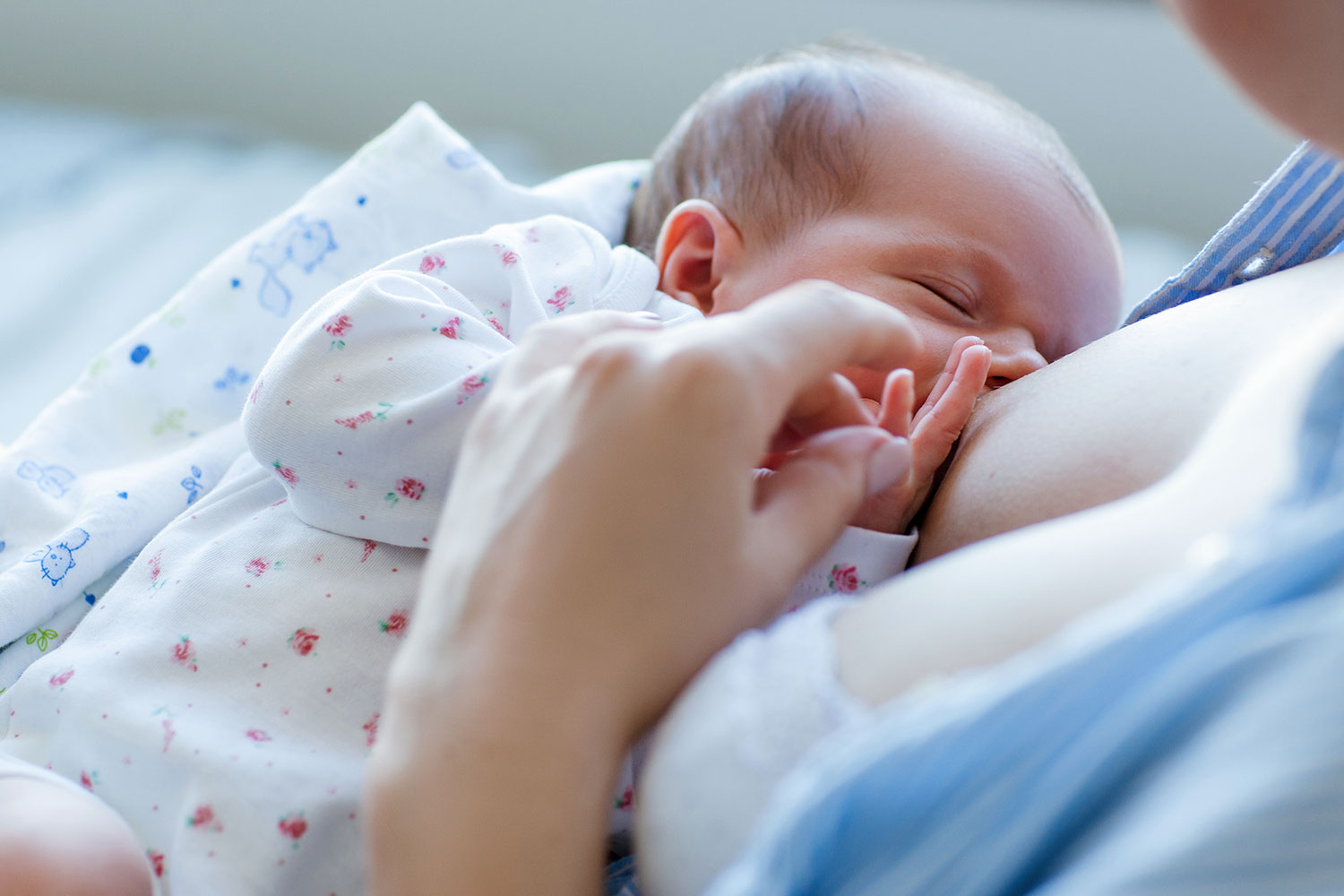

Today I am going to talk about the benefits of breastfeeding. I’ll also give some guidance on what you need to know about breastfeeding your bambino.
Sadly, breastfeeding rates are quite poor in the UK compared to our European cousins. We start off ok with about 73% initiating it following the birth of our babies. This drops to about 43% by 6 weeks and a measly 34% at 6 months. This is in comparison to 71% in countries like Norway.
The WHO recommends exclusive breastfeeding for at least 6 months and to continue for up to 2 years and beyond following the introduction of solids. So, what can we do to reverse this trend? Knowledge and support are key. Know why it is best and why it can benefit mums as well as baby. Know where and who can support you to breastfeed successfully.
Why breast is best!
We can’t get away with the fact that our breasts are there ultimately to provide nourishment for our offspring. In exactly the same way that other mammals provide milk for their pups, cubs, kittens, calves etc. We are a mammal after all! The technical term for our breasts is mammary glands…very unsexy!! But human breastmilk contains exactly the right nutrients in exactly the right proportions for our little humans. It has just the right ratio of fat to proteins.
Not only does breastmilk contain the right sort of nutrients; it contains special enzymes that completely break down the fat in it aiding digestion and absorption. It also contains the milk sugar lactose and Bifidus bacteria that helps to protect our babies from gastro-intestinal infections in infancy and helps populate the baby’s gut with friendly bacteria promoting a healthy gut flora. Iron and calcium are present in also breast milk. Although the amounts are relatively low they are better absorbed than the iron and calcium found in formula milks because the breast milk contains just the right carrier proteins.
And last, but by no means least, breast milk contains specific immunoglobins (or antibodies) that help prevent viral and bacterial infection. So you can see, it really is the best!
But what if I can’t breastfeed or I don’t want to?
This is a tough one because not all of us manage to successfully breastfeed or even want to. In some cases our babies can even be born with conditions that preclude them from breastfeeding.
Formula milk has massively improved over time and has been modified to better imitate breast milk so our baby will receive all of the nutrients it needs to grow a develop normally. They have more recently added DHA which is an omega 3 fatty acid. Some have probiotics and prebiotics added to them to help reduce the risk of gastro-intestinal disorders. Plus, there are a number of specialist formula feeds out there such dairy-free, for babies who are allergic to milk proteins or milk sugars.
What is important is that our children are introduced to a diverse range of foods, that are nourishing and filling. This takes time and patience. It can take lots of repeated exposures to some foods before their little taste buds develop a liking for some things, particularly vegetables.
Benefits for mum
The key thing is that if you are able to breastfeed do so. Breastfeeding has added benefits to us women too. It aids in the contraction of the womb following delivery. It can help us to lose our ‘baby’ weight, and as such reduces our risk for obesity, type 2 diabetes and osteoporosis. Plus, it is free, convenient, and safe.
On a personal level, I tried with both of mine but ultimately couldn’t maintain it. I lasted 8 days with the first and only 4 with the second. They both received the important colostrum but sadly, we weren’t able to take advantage of the other benefits associated with breastfeeding. If only they had lactation consultants in my day…more of that shortly!
Why do so many women stop breastfeeding early?
- Leaving hospital, where they are strongly encouraged to breastfeed. Protocols are for midwives to strongly encourage breastfeeding. For those of us who want to bottle feed, we have to provide our own supplies of formula milk during our hospital stay, except in cases of emergency.
- If the baby has been delivered by caesarean, breastfeeding is possible but the milk may take a little longer to ‘come in’ and it may be a little more painful.
- If the baby is a low birthweight and/or there is a delay in starting feeding then formula feeds will be offered.
- Formula feeds are offered, perhaps to enable other family members to feed baby. This is the strongest association with stopping.
- Sore nipples/mastitis…and if you’ve not experienced this, believe me, they can get very sore.
- Baby not latching on. This is quite common in those of us who are overweight, particularly when the milk ‘comes in’ and our breasts become quite engorged. The areola and nipple can flatten out leaving it difficult for the baby’s tiny mouth to get any purchase.
Other barriers
Even women who have successfully initiated breastfeeding, may give up earlier than they or their baby would have wanted to. Perhaps because of a return to work or because of the some of the issues associated with trying to breastfeed when out and about. Some women have had unpleasant experiences or received hostile reactions from members of the public when attempting to breastfeed in public places. Things are getting a little better in some places with many shops, cafes and public places having the Breastfeeding Welcome Scheme pink and white stickers on display…but you need to travel to Manchester. Hopefully outlets in the Liverpool area will sign up to the scheme. In the meantime, you have the legal right to breastfeed your baby anywhere.
With the right support from midwives and health visitors, many of the difficulties associated with breastfeeding can be overcome. There are also healthcare specialists in breastfeeding. You may see them referred to as infant-feeding specialists and (the lovely sounding) lactation consultants.
What about nutrition during breastfeeding
There is no need to increase the number of calories we eat when breastfeeding initially. We lay down fat reserves during pregnancy especially for breastfeeding. After about 3-4 months though, if breastfeeding is continued, a further 500 calories in addition to our average intakes of 2000kcals per day will be needed. A glass of milk, a slice of wholemeal toast with peanut butter and a banana should just about cover it but then so would a Twix bar and a can of coke so we have to weigh up which is going to be more nourishing for us and our baby, however tempting the Twix and cola are.
There are also some additional requirements for many vitamins and minerals whilst we are breastfeeding. We can only increase our intakes by making sure they are present in our diet daily. Most of these requirements can easily be met by eating a balanced diet including foods from all food groups. One of the minerals that is in much greater demand, you won’t be surprised to hear, is calcium, with nearly double the normal requirements. To meet this additional demand, we need to eat plenty of dairy (milk, cheese, yoghurt etc). Calcium is also in green leafy veg, tinned salmon or sardines (with soft bones) and even bread, as flour in the UK is fortified with calcium. Choose other foods that are fortified with calcium too. If you are vegan then opt for non-dairy milk alternatives that are fortified with calcium.
So, to round up…
- Breast is best, it always has been and always will be. Not just for the baby’s sake but for ours too
- If you can’t, it’s not the end of the world. Formula milks have come on in leaps and bounds, and…
- Whether you breastfeed or not, infant weaning and what you feed you children later on is still as important.
- We need to make sure that we eat lots of fresh, nutrient dense foods to provide us with the nutrients we need and enough to pass onto our babies via our breastmilk.
- There is support out there for breastfeeding mums out there. Don’t be afraid to ask if you are struggling (it’s more common than you think).
- And finally, try to ignore the bigoted, ignorant and narrow-minded people out there who like to express their opinions on breastfeeding in public places whether you want to hear it or not…it is a perfectly natural process, and you are entitled to do it wherever you feel comfortable.
Check out our other breastfeeding resources – we’ve got a blog with Top Ten Tips for breastfeeding, plus some videos about preparing to breastfeed and breastfeeding troubleshooting.