


Here we will discuss both care provided by hospital staff as well as how you can start caring for your own baby in the immediate postnatal period.
Immediately after the birth of your baby your midwife will continue to care for you both, with the assistance of Maternity Support Workers (MSWs) and Healthcare Assistants (HCAs). Additional input from neonatal/paediatric staff including doctors and nurses in the time you spend in hospital before being discharged home, will be provided in order to ensure the health and wellbeing of you and your baby.
The postnatal ward
Once you are considered medically stable you and your baby will be transferred from the delivery area to the postnatal ward. This is often a much larger ward with rooms containing a number of beds separated by curtains. Even though it’s more busy (and sometimes noisy!) being on this new ward can provide opportunities to chat and discuss with other new mums and even make friends.
Here, care will be provided to you as the new mum largely by midwives, MSWs, HCAs and obstetricians. You will be checked physically every day to ensure you are recovering normally from the pregnancy and labour, medications provided (and arranged for to be taken home if needs be), breastfeeding support will be provided with referral to infant feeding specialists if necessary. In addition it will be arranged for a community midwife to visit the day after you are discharged home.
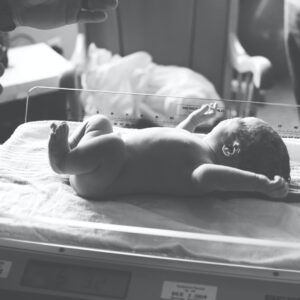
Care provided for your baby
Newborn initial physical examination (NIPE)
All babies are recommended to have a thorough physical examination within the first 72 hours after delivery. The examination includes screening tests to check if your baby has problems with their eyes, heart, hips and, in boys, testes. It is usually carried out by a trained midwife or neonatal doctor, often whilst you are in the hospital, but can be carried out at home if you opt for an early discharge. This check will be repeated (usually by your GP) around 6-8 weeks post-delivery to confirm that no new concerns have arisen or developed since the initial examination.
In most cases no issues are found, but it is important to detect any problems as early as possible so effective treatment can commence without delay. If the practitioner finds anything that causes concern they will arrange follow-up appointments for your baby, including in some cases where there is a strong family history of certain conditions. They will explain at every stage their findings and why they are doing what they are doing, but do always ask as many questions as you would like.
You can get further information including details of each screening test here.
Hearing screening
All babies are offered a hearing screen whilst in the hospital, but this test can be carried out at home or within a local hearing screening clinic, as long as it is carried out within the first month after delivery. Approximately 1 to 2 in every 1000 babies has hearing loss in one or both ears, and early recognition of this provides prompt referral to necessary treatment services and can improve the long-term development of your baby.
Newborn blood spot screening
Though not usually carried out at the hospital, as in most cases you will already have gone home, newborn blood spot screening is another vital early test in a baby’s life. Usually carried out between 5 and 8 days post-delivery this test will most likely be carried out by a midwife, MSW or HCA by collecting four samples of blood from baby’s heel onto a card.
Nine very rare but serious medical conditions are tested for including sickle cell disease, phenylketonuria, cystic fibrosis and congenital hypothyroidism, amongst others. If your baby is found to have any of these conditions then finding out early and receiving prompt treatment will improve their health and help prevent or lessen serious or life-limiting complications in the future.

Feeding your baby
You will receive support on the postnatal ward with however you would like to feed your baby, whether you choose breast or bottle-feeding, or a mixture of the two. Never hesitate to call for help if needed or if you have any concerns. Support with breastfeeding continues at home from your community midwife, health visitor, your local children’s centre, or your local breastfeeding support group (details of which you can obtain from your midwife or health visitor).
Breastfeeding
Breastmilk is tailor-made for your baby, always available and at the perfect temperature, and it’s free! The health benefits to baby include a reduced risk of ear and chest infections, and a lower likelihood of developing allergies and diabetes, to name but a few. The health benefits to mum include a reduced risk of breast and ovarian cancer, and a lower chance of developing osteoporosis in later life.
Recognising baby’s early feeding cues can indicate to you when they want to breastfeed, such as wriggling, bringing the hands to the mouth, sucking fingers, fists, clothes or blankets, rooting and hand waving. Over the first 2-3 days after birth your baby may not breastfeed very often, but they should be encouraged to feed frequently to see if they are ready and help them learn. Feeding usually becomes more frequent over the next few days as you move from producing colostrum to milk. Babies have no pattern or regularity to their feeds at the beginning, and baby-led or demand feeding is recommended, responding naturally to baby’s feeding cues. Breastfed babies cannot be overfed.
In the first 24 hours after birth babies may breastfeed only 3-4 times, increasing to 8-12 times (or more) in the 24 hours after this initial period, and this continues up to 6 months when you start introducing solid foods.
As a quick guide:
- 2 feeds first 12 hours
- 3-4 feeds first 24 hours
- Day 2 6-8 feeds
- Day 3 onwards at least 8 feeds in 24 hours
Signs that breastfeeding is going well/baby is receiving enough nutrition include:
- Regular wet and dirty nappies
- Day 3-5 re-weigh they have lost less than 10% of their birthweight
- Warm, pink skin, alert with good tone
- Feeds for 5-30 minutes at a time with most feeds
- Baby is calm and relaxed during and after feed, and content after most feeds
- Nipples are not painful whilst feeding – always ask staff for help to ensure correct positioning and attachment
Hand expressed colostrum can be given to your baby in the early postnatal period if baby is struggling to attach to the breast. Many women find continuing to express by hand or with a pump useful once they have moved from colostrum to mature milk due to a number of factors, including relieving engorgement, helping to stimulate milk production, if baby continues to struggle to attach, or to relieve sore nipples, to name but a few reasons. Electric breast pumps are available on the postnatal ward, they are easy to learn how to use, and (where available) can be hired for home use.
Bottle-feeding
Whether giving your baby formula or expressed breastmilk bottles and teats must be thoroughly cleaned and sterilised before feeding in order to kill harmful bacteria. Follow the instructions of the steriliser you own and make powdered formula in-line with how the packet recommends.
Useful tips for formula feeding:
- Use first infant milk only in the first year of life
- Make up feeds one at a time as your baby needs them
- Never heat formula in the microwave
- Water must be above 70 degrees celsius to kill bacteria in milk powder (it is not sterile)
- Add water to bottle first, then add powder
- Follow manufacturers instructions regarding scoops of powder to water ratio, using only the scoop provided
- Check milk is cool by dripping onto back of hand before feed
- Throw away unwanted formula after feeding
Guide to bottle-feeding:
- Hold baby close in semi-upright position or in skin-to-skin
- Rub teat over top lip to encourage them to open their mouth
- Ensure bottle is tipped and teat full of milk to prevent air from entering
- Let baby set the pace of the feed and pause when needed
- Wind baby midway and after feed
- Do not force baby to feed more than they want
- Limit the number of people feeding baby so you can build a bond with your baby
Baby care basics
Bathing baby
Dry flakey skin is normal after delivery and nothing to worry about. Plain water will suffice to clean baby whilst bathing, using only a very mild non-perfumed soap if required. Any creams or lotions should be avoided for the first month after birth as a newborn’s skin is sensitive and delicate.
As a first-time mum the postnatal ward staff will show you how to correctly bath your baby, if this is something you would like to see and learn about.
This will include:
- Checking the temperature of the water by placing your elbow in – it should feel the same as your body temperature
- 8-10cm depth of water in the baby bath
- Clean baby’s face and neck with cotton wool and plain water before the bath, using a different piece for each eye and each ear
- Clean their bum with cotton wool before the bath, ensuring all folds of skin are cleaned
- Hold securely in the bath with one hand under their shoulders and neck
- Be careful removing baby from the bath as they can be slippery
- Dry thoroughly and dress
The NHS recommends bathing your baby 2-3 times a week, but this can vary depending on your own personal circumstances and preferences.
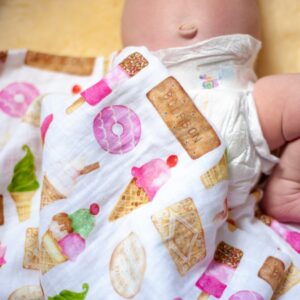
Changing nappies
It depends on the baby how often they will need their nappy changing. However in all cases it should be checked regularly and changed as soon as possible. Babies have sensitive skin which can break down more quickly if left in a wet or dirty nappy for too long.
Tips for changing nappies includes:
- Ensure the correct tools are in place beforehand i.e. Clean nappies, cotton wool, clean water, somewhere to dispose of the dirty nappy, a clean surface to place baby on, barrier cream if needed
- Wipe front to back to avoid risk of infection
- Let baby’s bum air-dry if time/temperature allows
- Safely dispose of nappy or place on hot wash if using reusable nappies
- Clean hands thoroughly
- Practice makes perfect!
Caring for your baby’s umbilical cord
Shortly after your baby is born their umbilical cord will be clamped and cut and secured in place with a plastic clip. Over the next 3 to 10 days it will dry up and fall off. It is expected the cord will be a little sticky and slightly smelly as this process occurs over the next few days, but if it starts to bleed, appear red on baby’s abdomen or smells excessively then inform your midwife, health visitor or GP.
The cord can be cleaned with plain water if needs be and patted dry around the area with a clean soft towel, muslin or cotton wool.
Soothing your crying baby
Babies cry, it’s what they do, some more so than others. This is a normal part of being a baby and you should never make yourself feel bad if they continue to cry even after you feel you have seen to every possible need. They can sense anxiety and this can lead to them crying even more. Some tips to work through that may calm a crying baby include:
- Placing them in skin-to-skin
- Feeding them if hungry
- Changing their nappy if wet or dirty
- Relieve wind by gently patting or rubbing back
- Ensure correct temperature
- Hold baby close, moving, swaying or dancing, talking or singing to them
- Stimulate baby with sound or music
- Place them upright looking over your shoulder slightly and rub their back
- Rock them gently in their pram
- Warm baths (works for some but makes others cry even more)
Dressing baby
Dressing baby appropriately keeps their body temperature within a normal range. Room temperatures should be within 16 and 20 degrees celsius. During the daytime add one more layer than what you are wearing and during the night in bed a vest and babygro should be worn with the same bedding layers as parents.
Cool feet or hands and a warm chest is normal, however if the hands or feet look blue or blotchy add mittens and/or socks. Though hats are necessary outdoors in both summer and winter don’t put them on in the house as this can lead to overheating. If the skin appears flushed, feels hot and baby is restless or fussy then remove a blanket or item of clothing, again to prevent overheating.
In addition, be mindful of leaving baby in direct sunlight, by a radiator, heater or fire, or near an open window. During the warmer months keep skin covered by light layers and remain in the shade. Start using sunscreen from 6 months of age.
Handling baby
After spending so much time developing in a warm snug place, babies enjoy being held. This includes cuddling, gentle rocking and being wrapped up. They must be held securely and gently, supporting their head and neck as their neck muscles are not yet strong enough to support their own heads. Many people feel anxious holding newborn babies if they are inexperienced, so practice is key! It’s not as scary as it looks and certainly gets easier over time.
Tips for ensuring your baby’s safety whilst holding
- Once settled return baby to their cot
- Placing the changing mat on the floor
- Never leaving baby unattended on a sofa, bed or changing table
- Keep car seats on the floor
- Hold the handrail if walking with baby up or downstairs
- Ensure a trip hazard-free area at home, as much as possible
Summary
Postnatal care
Tests to expect
- Newborn initial physical examination – within first 72 hours
- Hearing screening – 1-2 days post-delivery
- Newborn blood spot screening – 5-8 days post-delivery
More Information on newborn tests
Feeding
Whether breast-feeding, bottle-feeding or a mixture of the two it is completely your choice how you feed your baby. The feeding of your baby is a round-the-clock commitment and can often be stressful and feel overwhelming. So take your time getting used to feeding, follow your baby’s lead and trust your instincts. Be reassured that structure will come with time, and always ask for help from healthcare staff when needed.
Baby care basics
Bathing
Not essential to carry out in the immediate postnatal period, but useful to learn how to carry out whilst on the postnatal ward
Changing nappies
Check and change frequently to protect sensitive skin.
Care of the umbilical cord
This will dry up and usually fall off 3-10 days post-delivery.
Soothing baby
As a normal part of any baby’s life, keep calm and run through the list of potential solutions above. Over time you will get to know your baby and recognise their individual needs.
Dressing baby
To ensure their body temperature remains within a normal range of 36.5-37.5 degrees celsius.
Handling baby
Ensure baby’s safety at all times, practicing holding often to build confidence.
Take home tip
Caring for a newborn baby takes time and patience. Remember, no one is born an expert!
Though the initial postnatal period may seem daunting it is important to take this time step-by-step. Use the topics discussed above as a starting point, and build on your parenting skills over time as you get to know your individual baby.

References
https://www.nhs.uk/conditions/baby/newborn-screening/overview/
https://www.gov.uk
https://www.bestbeginnings.org.uk
https://www.human-milk.com
https://www.nct.org.uk
https://www.laleche.org.uk
https://www.firststepsnutrition.org
https://nspcc.org.uk
https://www.nhs.uk/conditions/baby/newborn-screening/overview/
https://www.nhs.uk/conditions/baby/newborn-screening/physical-examination/
https://www.nhs.uk/conditions/baby/newborn-screening/hearing-test/
https://www.nhs.uk/conditions/baby/newborn-screening/blood-spot-test/
https://www.gov.uk/government/publications/screening-tests-for-you-and-your-baby/blood-spot
https://www.bestbeginnings.org.uk/from-bump-to-breastfeeding
https://www.human-milk.com/
https://www.nct.org.uk/baby-toddler/nappies-and-poo/newborn-baby-poo-nappies-what-expect
https://www.unicef.org/stories/breastfeeding-first-hour-birth-what-works-and-what-hurts
https://www.firststepsnutrition.org/parents-carers
https://www.nhs.uk/conditions/baby/caring-for-a-newborn/soothing-a-crying-baby/
https://www.nhs.uk/conditions/baby/health/how-to-take-your-babys-temperature/
https://learning.nspcc.org.uk/media/1112/handle-with-care-guide-keeping-baby-safe.pdf