

So today we are going to talk microbes and gut health. This one is a bit of a toughie and you may find it a little harder to digest… I have heard this pun quite a lot recently so thought I would throw it in there. Anyway, bear with me, it is interesting stuff, honest!
Are we human?
Did you know that only 10% of the cells in our body contain human DNA… shocking eh?? The rest of ‘us’ contains DNA from approximately 100 trillion bacterial cells, the vast majority being found in our gut. Bacterial cells, or microbes, play a much more important role in our health than we realise.
Microbes live within our intestines and effect a range of biological and metabolic processes. So much so that the gut microbial ecosystem could be described as part of the endocrine system. It influences human physiology, metabolism and the immune system. Ever heard of the saying, go with your gut feeling? Well, there is also a bidirectional (or two-way) link between our central nervous system and enteric nervous system which controls gastrointestinal function. It’s called the gut-brain axis and influences cognitive and emotional function. It explains why it is said that gut health plays a part in our mental health as well as our physical health.
There are thousands of different types of bacteria in our gut but two major bacteria are the Firmicutes and Bacteroidetes. The numbers of these bacteria remain relatively stable. The remaining gut microbiota (they have Latin names too but let’s not go there) are diverse and dynamic and can be influenced by what we eat.
What the little mites do for us
So, what do all these bacterial cells actually do in our guts? They play an active role in making certain vitamins, like vitamin K and vitamin B7 (biotin). In addition they play a vital role in digestion. They are able to digest nutrients contained in the foods that we can’t because they produce different enzymes to us.
This can have both positive and negative effects depending on what the food is. If it is insoluble fibre, microbes break these down to produce short chain fatty acids (SCFA). These have a beneficial effect on health as they help us to maintain a healthy weight. They help us to feel fuller quicker so we don’t overeat. Mind you, there can also be a build-up of gases, like methane and sulphur which can make us ‘break wind’ somewhat more…the less said about that the better, but we all do it‼
The effects of different foods on those little mites
If we don’t eat lots of different types of fruit and vegetables, whole grains and other plant foods, it can result in a lack of diversity within the gut flora. This causes an imbalance with a whole lot more, less friendly bacteria. This is associated with negative effects because there can be a build-up of fatty deposits (arterial plaque) that can cause CVD, heart attacks or strokes… not good! This could be because of the formation of certain toxins, called TMA’s, from nutrients like lecithin and choline.
These are found in meat, fish, eggs and dairy, and are substances that we can’t metabolise. However the less friendly bacteria in our gut can. These toxins are then circulated to the liver and converted to another toxic substance, TMAO, which can cause these fatty deposits. A lack of diversity in our gut flora is also linked obesity and with other inflammatory disorders, like inflammatory bowel disease. So, although they are important foods and we need to include meat, fish eggs and dairy in our diet as they provide lots of essential nutrients (if not vegetarian or vegan), as in life, too much of a good thing might actually do us more harm. It might also explain why there is not as much support in the world of nutrition and dietetics for very low carb or ketogenic diets.
Pro’s and pre’s
If you peruse the supermarket shelves, you can find an array of pro and prebiotic products designed to improve our gut health. Probiotics, such as live cultured and kefir drinks and yoghurts, contain live and active microbes that have a positive health benefit for our GI tract. They increase the levels of ‘friendly’ bacteria such as lactobacillus and Bifidobacteria that are found naturally in the gut.
Prebiotics are naturally occurring components of non-digestible fibre. These have beneficial effects by providing the right sort of nutrients like inulin, oligosaccharides and polydextrose for the replenishment of good gut bacteria. Lots of long words but don’t worry about them, you just need to know they are beneficial.
Of course, we can also support a healthy gut environment by eating lots of fibre rich fruit, vegetables and wholegrains. These foods are naturally rich in prebiotic nutrients. Additionally, fermented vegetables such as kimchi or unpasteurised sauerkraut can help with a happy gut, although not so much during pregnancy. Make sure the yoghurts are pasteurised too, if you are pregnant or planning on becoming pregnant.
Not just in our guts
As well as the gut, the vagina and breast milk are host to an abundance of different bacteria. They are thought to influence the colonisation (or growth) of beneficial gut bacteria in our infants. It is thought that this happens before our babies are even born and potentially influences the development of their immune systems.
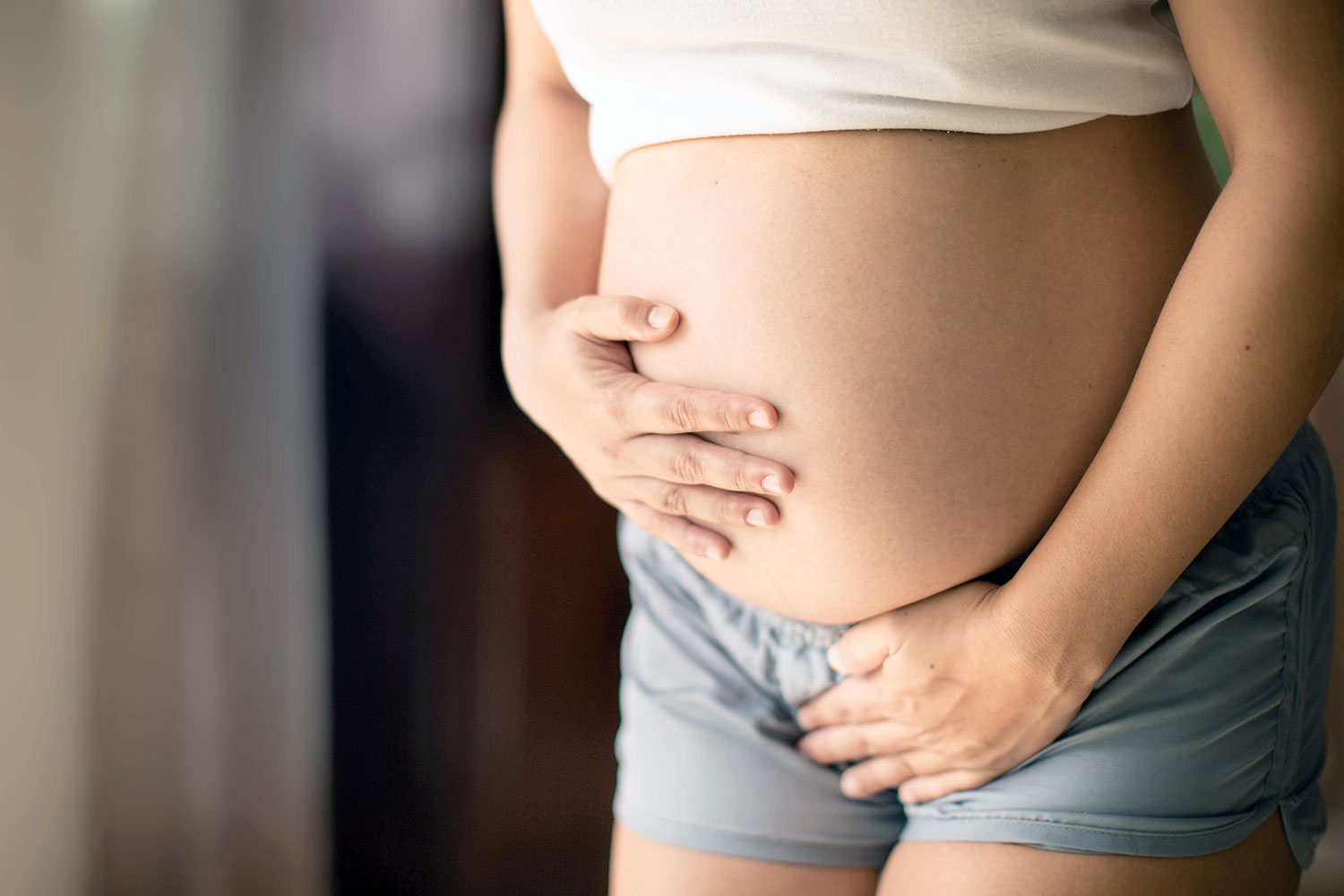
It had previously been thought that the uterus was a sterile environment. The opinion now is that our gut microbiome during pregnancy is an important influence on our baby’s long-term health. Evidence shows that our gut bacteria translocates (or travels) from the our intestines to other sites in our bodies… breast milk contains bacteria. An antibody known as immunoglobin G (IgG), is thought to be involved in this translocation of bacteria from our placenta to our growing baby. The baby is then exposed to our vaginal bacteria during delivery, however, there is some uncertainty as how much vaginal bacteria influences infant immunity.
The take home messages are…
- it is important that we eat healthily before, during and after we become pregnant to ensure a healthy and diverse gut microbiome.
- So we need to eat plenty of fibre rich, prebiotic foods. For example fruit, veg, whole grains, legumes and probiotics in the form of live cultured yoghurts/drinks and kefir.
- If it is possible to choose, we should opt for a vaginal delivery (I know not everyone gets to choose)
- Aim to breast feed baby for at least 6 months. This will help support the development of a strong immune system in our babies. Breastfeeding will reduce the risk of them becoming overweight or obese. In turn this helps to prevent obesity related disorders like type 2 diabetes and heart disease.
- Then we need to introduce our infants to natures abundance of foods and limit the amount of processed and refined foods we give them to help maintain their delicate microbial balance and promote life-long good health.
Remember, ‘A happy gut makes for a happy mind makes for a happy you and a happy baby‼’
If you would like to read more about this, there are some interesting papers available via open access. Be warned, they are not for light reading!
‘Influence of maternal microbiota during pregnancy on infant immunity’ by Nyangahu & Jaspan (2019).
‘The maternal gut microbiome during pregnancy’ by Edwards, Cunningham et al (2017)