
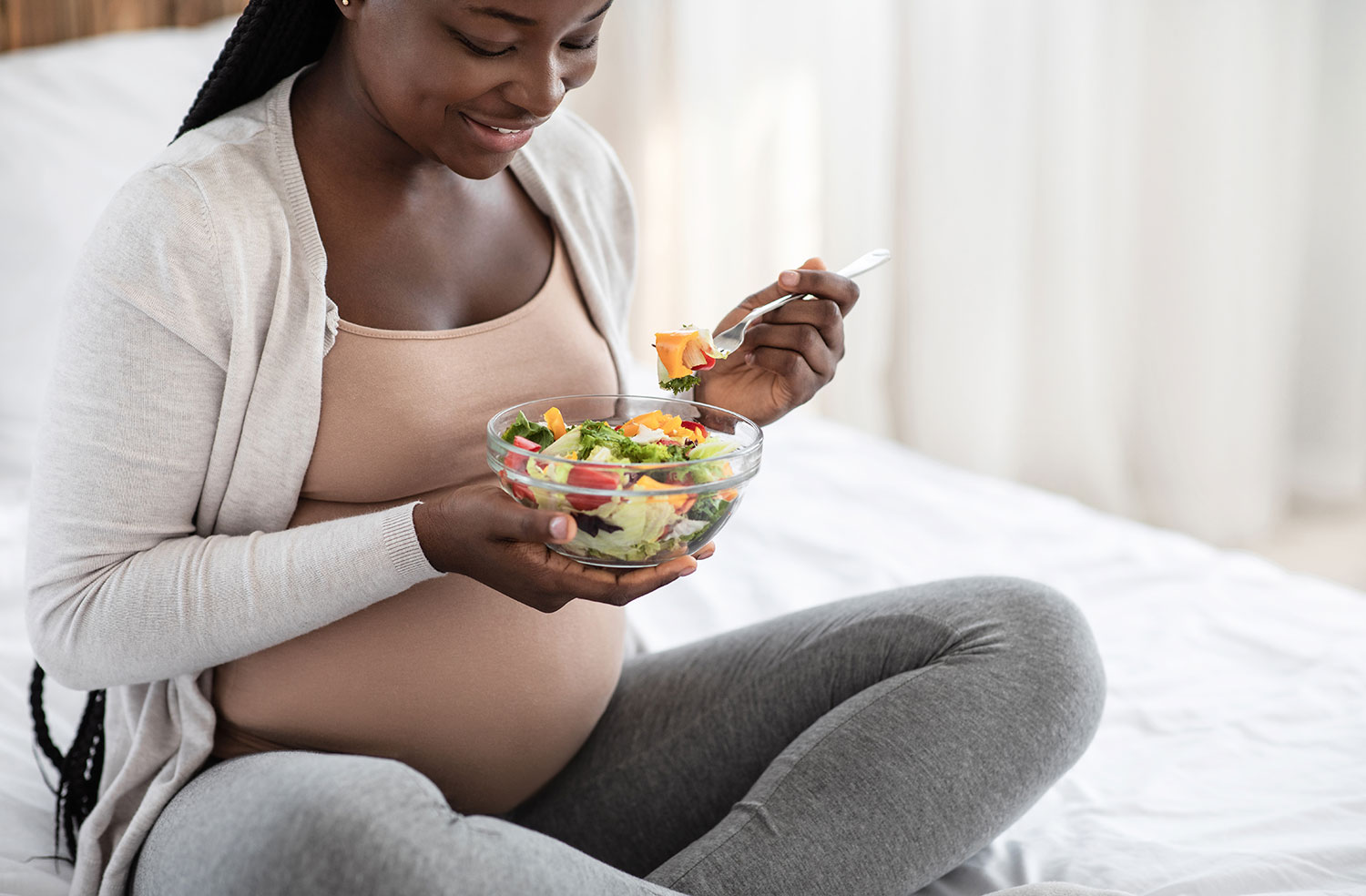

Today we are looking at what constitutes vegetarian diets. I will talk to you about where you get the essential nutrients that are mainly found in meat and meat products. And ask the question, is vegetarianism just a step on the pathway to veganism?
What is vegetarianism?
Traditionally a vegetarian is someone who eats predominantly plant-based foods and eliminates animal flesh from the diet.
Vegetarians can be categorised according to what other forms of foods they may or may not incorporate into their diet.
- A pesco-vegetarian eliminates animal flesh but continues to consume fish
- A lacto-vegetarian will eat dairy based products, milk, cheese, yoghurt
- An ovo-vegetarian will eat eggs
Or they could be a combination of any of these. Vegetarians who eliminate all animal derived foods are known as vegans and that will be covered in the next blog post.
What is missing from a vegetarian diet?
In short, not a lot. With a little planning ahead, those of us who are vegetarians and continue to eat dairy and eggs or the occasional bit of seafood, can derive the majority of essential nutrients from the foods they eat, if they are savvy. However, the food industry has ‘kindly’ made it very easy for veggies to eat just as much rubbish as the rest of us. There is now a whole array of over-processed convenience foods, ready-made meals and takeaways available to eat on a vegetarian diet. Just as there are for those who eat a traditional omnivorous diet.
What are the key nutrients potentially missing from a vegetarian diet?
I hear you ask…and a good question it is too. There are a number of vitamins and minerals that are either missing from vegetarian diets or are only found in much smaller amounts. The first one is…
Iron –
- In those of us who eat meat, poultry and even seafood/fish, we take in what is known as haem iron. This is basically iron that is found in the haemoglobin in the animal’s red blood cells, in the same place iron can be found in us. It is easily absorbed through the walls of the intestines and more readily available for immediate use in our bodies.
- Iron can also be found in lots of vegetables and pulses. Spinach is always perceived as being a really good source of iron, probably because Popeye said so…but it’s not the best source. Anyway, I digress… the type of iron found in vegetables, pulses, etc. is known as non-haem iron. Not only is there a lot less of it, it is not so readily absorbed in the intestines either. The key to getting non-haem iron is we need to eat a lot of different iron containing plant foods and foods that are fortified with iron to meet our needs. In addition we need to make sure that we have source of vitamin C with it. So for instance if you have some breakfast cereal fortified with iron, have your 150mls of unsweetened orange juice with it. Vitamin C is the key to enhancing absorption of non-haem iron in the intestines.
Good sources of non-haem iron include, fortified breakfast cereals, beans…particularly red kidney beans, lentils, broccoli, spinach (Popeye is not wrong but you do need to eat a quite a lot of it‼), bread (all flour in the UK is fortified with iron) and dark chocolate…yay‼ Oh and don’t forget, plenty of vitamin C, found in abundance in green leafy veg, orange and red veg, citrus fruits and berries to name but a few.
Vitamin B12 –
- This is a strange one, most the other B vitamins are found in plant-based foods. Vitamin B12 is the exception, it is found in animal-based products. As vegetarians though, we can get good sources from fortified foods, eggs, and dairy foods such as milk and cheese. And…love it or hate it…Marmite (other yeast extracts are available)! In fact, Marmite is a great source of all the B vitamins so a very useful fortified food. Personally, I love it but it is an acquired taste.
Zinc –
- This is a much-overlooked mineral but is absolutely essential for our health. Particularly during pregnancy where it is needed for the normal development and growth of our babies in-utero. It is also needed for our own immune systems. They play a vital role in the production of some of our immune cells that are made in response to assaults on our bodies, whether that be due to injury or disease. In fact, zinc is a vital nutrient for wound healing and reducing inflammation. Unlike iron, we can’t store zinc in the body, so it is important that we eat lots of zinc containing foods. Good sources are dairy, lentils, beans, chickpeas, nuts, seeds, oats, tofu, tempura and foods that are fortified with zinc.
Iodine –
- Another much-overlooked mineral. Iodine is essential for the neurological and cognitive development of our growing babies. It is considered by the WHO to be the single most preventable deficiency in the world but deficiency or insufficiency is widespread. It can impact on our IQ even if intakes are mildly deficient. Zinc can be found in seafood and fish, milk (not organic) and dairy. It’s also in kelp and other forms of seaweed if you are into that sort of thing. Although, hold off on the seaweed if you are pregnant or trying to conceive as there are risks due to contamination associated with it. I will come back to iodine in the next blog which is focused on veganism.
Nutrient-nutrient interactions
What‼ I hear you ask…well nutrient-nutrient interactions are just that. It is the way that vitamins, minerals and even protein, carbs and fat interact with each other. This is usually very positive, as in vitamin C enhancing the absorption of non-haem iron as mentioned earlier or vitamin D enhancing the absorption of calcium. In fact lots of nutrients are co-dependent on the presence of others to enhance their bioavailability and absorption in the intestines and their utilisation by our body’s tissues and cells.
Occasionally, they can cause interference and inhibit the absorption of each other. A common one is calcium and iron. This is only really likely to happen when taking supplements, particularly if they are isolated versions, i.e. iron tablets or calcium tablets etc. We shouldn’t really be taking iron supplements unless advised to do so by our GP. It is also advisable not to take individual calcium, magnesium or zinc supplements at the same time.
Don’t worry if you like to take a multivitamin/mineral supplement as doses are much lower in these. Just don’t take any form of other supplements on top of them.
Our take home message today is…
- A vegetarian diet can provide us with all the necessary nutrients that we need as long as we plan ahead
- It is easy to eat just as much rubbish on vegetarian diets as we do on an omnivorous diet, if we buy and eat overly processed vegetarian foods.
- There are some nutrients that can be less available in a vegetarian diet. So a diverse and varied diet is key to ensuring we get everything we need.
- We are helping with the environment and cutting some carbon emissions that result from the rearing and feeding of livestock. If we try and only eat locally sourced produce, our carbon footprint will be lower too.