


Living costs are on the rise across the board. More and more of us are becoming bargain hunters – cutting costs, waiting for sales and searching for discount codes and vouchers – in order to make our money stretch as far as possible. Whether your new baby has been long planned, or is an unexpected surprise, they’re going to have an impact on your family budget.
Babies can be expensive – there’s no doubt about that! Clothes, equipment, toys and baby classes all add up. Combined with reduced pay on maternity leave it can leave you scrambling to make ends meet. There are ways to ease the squeeze though, read on for some money savvy tips!
Income
The first step in boosting your household budget is making sure you’re maximising your income.
- You will be entitled to the full amount of Child Benefit providing both you and your partner (if you have one) each earn less than £50,000 per year. If your (or your partners) income is between £50,000 and £60,000 you will be entitled to some child benefit, and if you (or your partner) earn over £60,000 a year you won’t be entitled to any Child Benefit.Child Benefit is paid every four weeks (some families can ask to be paid weekly). It is £21.15 per week for your oldest child and £14 per week for subsequent children. There is no limit to the number of children you can get Child Benefit for.
- If you’re expecting your first child and are on certain benefits you may be entitled to a Sure Start Maternity Grant. This is a one off payment of £500 that you do not have to pay back.

If you are on a low income or under 18 you may be entitled to healthy start vouchers. Image: Fluky - If you’re on a low income or under 18, and either pregnant or have a child under 4, you may be eligible for the Healthy Start scheme. These are shopping vouchers (now credited to a card) that you can use in most supermarkets and convenience stores. You can use them to buy cows milk, formula, fruit and veg and beans/lentils/other pulses. If you qualify you will also get free vitamins.
- You may be entitled to Universal Credit if your household income has reduced while you’re on maternity leave .
- During your pregnancy and up to your baby’s first birthday you are eligible for a Maternity Exemption Certificate. This entitles you to free prescriptions and free dental treatment so make sure you fit in a check up at the dentist!
- If you are married or in a civil partnership, one of you earns below the personal tax threshold (£12,570 for most people) and the other pays basic rate tax (usually between £12,571 and £50,270) you can transfer some of the lower earners tax allowance to the higher earner. This is called the Marriage Allowance and it reduces the amount of tax your family pays each year. You can find out more about it here
Try one of these benefits calculators to see if you are entitled to any financial support.
General finances
It’s never a bad time to give your finances a once over! check you aren’t paying too much for energy bills, insurance, phone contracts and more. Are you paying for a TV subscription or a fee for a packaged bank account with benefits that you don’t use? Take a look at your bank account and make sure there aren’t any recurring card payments or direct debits going out that you don’t need/want. There’s loads of great advice about managing your bills, including the best energy/broadband/insurance etc deals at Money Saving Expert. This website is just packed full of useful and, most importantly accurate, consumer advice, I highly recommend it.
Kitting out baby on a budget
Even if all our finances are in order there’s still quite a bit of spending that happens when you’re expecting a baby and which continues once your little one arrives. So let’s take a look at how we can minimise costs in some key areas.
Feeding
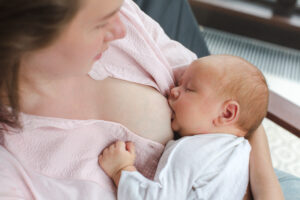
For the first six months, all the food your baby needs is milk, either formula or breast milk. Breastfeeding will definitely have a smaller impact on your finances. Even if you buy all the fancy gizmos – feeding pillows/breast pump and steriliser/nursing clothes etc (many of which can be useful but are not necessary) you will still spend less than you would on a years supply of formula. If you want to breastfeed but are having difficulties check out our breastfeeding blogs here and here and this Breastfeeding troubleshooting video. You can also get in touch with your local hospital and/or community infant feeding team. Their support is free to access.
Of course not all mums want to breastfeed and even for those that do, it doesn’t always work out. If you’re feeding your baby formula are there ways to keep costs down?
Firstly it’s really important that you don’t water down formula to make it last longer. Your baby will not get the nutrients they need to grow properly and they could become very poorly.
There are some safe ways to keep formula feeding budget friendly though:
- Expensive formula is no better than cheaper brands. Supermarket own brand formula has all the necessary ingredients your baby needs to grow and develop. You may find one brand suits your baby better than another, but why not try a budget brand and see how they get on?
- Powdered formula is significantly cheaper than ready to feed formula.
- Bottles are available at all different price points. Some of the more expensive ones are marketed as ‘anti-colic’, there is no independent research to back up these claims. If your baby does struggle with digestive discomfort you may want to try them but many babies get along fine with basic, cheaper bottles. Follow the tips for responsive feeding on our formula feeding blog to try and minimise air intake and trapped wind.
- You can spend over £200 on an all singing all dancing UV steriliser and dryer for your bottles. You can also buy a steriliser for less than £20. Both will make your bottles germ free and safe to feed baby with.
- You don’t need a Perfect Prep machine. The NHS don’t recommend them due to concerns about the temperature being insufficient to kill any bacteria present.
More than milk

At around six months of age you’ll be introducing solid foods into your baby’s diet. There are many, many baby convenience foods on the market – breakfasts, jars of purée, mini microwave meals, baby biscuits and crisps, the list goes on! Feeding your baby using these products however can become expensive very quickly, especially in the early days when the portion sizes far exceed the amount of food your baby is eating so significant quantities end up in the bin.
Making your own baby food has many advantages:
- You know what ingredients are in the meal
- The ability to portion out small quantities and freeze them to save on food waste
- You can introduce foods your family regularly eats
- Your bin and recycling won’t be stuffed full of packaging
- And of course it’s far cheaper. 70p for a 70g pouch of puréed carrots vs 30p for 500g of carrots that you can use in family meals too.
There’s no denying ready made food is much more convenient so it can be handy to have some bits in. However the more you make yourself the less money it will cost. You can pick up small plastic storage containers in supermarkets and even pound shops for taking homemade food out and about.
Don’t worry if you aren’t Nigella! Preparing meals for your baby doesn’t have to be difficult or time consuming and can be a brilliant way to gain confidence in the kitchen. There’s some great recipes on the start4life page
When your baby reaches 12 months they no longer need formula milk and can move to full fat cows milk. You don’t need to buy expensive ‘growing up’ milks. If your baby is breastfed you can continue breastfeeding for as long as you and baby wish.
Changing
Nappies are a necessity and you’re going to be changing a lot! Estimates differ and depend on many variables, but from birth to potty training the average baby gets through 4500-5000 nappies 😱 that’s a lot of poop!
Your baby’s skin is delicate and sensitive and we don’t want them getting a sore bottom, that means regular changes are important so we can’t save pennies that way.
Cloth nappies
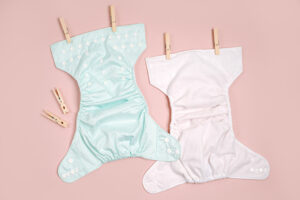
Image: Igishevamaria
The cheapest way to keep your baby clean and fresh is to use cloth nappies. There is a much larger upfront cost than just adding a couple of packs of disposables to the weekly shop but the ‘per use’ cost is far lower. Plus you can use them for subsequent babies to make them even cheaper. You can even sell them when you don’t need them any more to recoup some of your outlay. Many real nappy sellers offer trial packs to buy or even hire to make sure they work for you before splashing out on a full set. You can also buy second hand nappies to keep costs down.
If you’re going to use cloth nappies you might as well go all in and use cloth wipes too. You can buy packs of cloth wipes in fancy designs and rainbow colours. You can also use an old towel and perhaps an old fleecy blanket cut into squares. Just pop a few wet ones in a small lunch box for changes when out and about.
Reusable wipes are a great way to save cash even if you use disposable nappies. A pile for nappy changes and a pile for mucky hands and faces will see you right through toddlerhood and beyond.
Disposables on a budget
If cloth nappies are not for you you can still make cost conscious decisions. Nappies are available at a whole range of price points and many families find budget and own brands to be just as reliable as the more expensive ranges. Supermarkets also run ‘baby events’ periodically through the year and have special prices and/or deals on nappies (and wipes if you are using disposable ones). If you can afford to stock up its worth buying extras to take advantage. Just make sure you don’t buy lots of nappies in a size your baby is about to grow out of!
Nappy waste bags are handy to have, especially for nappy changes when out and about and they cost pennies. At home dirty nappies can go straight in your general waste, special nappy bins are an unnecessary expense.
Baby’s room and other equipment
Cot, changing unit, car seat, pram, clothes, play mat, monitor… the list goes on and on! Keep an eye on those supermarket baby events, you might be able to grab some bargains. End of season sales can also help you kit out your little one.
If friends and family want to buy gifts suggest they get something off a list of things you need. It’s lovely to get surprises but it’s not unusual to end up with stacks of 0-3 month sized outfits and little else. Babies grow so quickly you may find you don’t manage to get the tags off some before they are too small!
Second hand toys, clothes and equipment are a great way to save some cash. The speed that babies grow at means many of these things see hardly any use before they are grown out of. There are some things that you should buy new though:
-
Car seat:

Car seats are one of the few bits of equipment you should buy new.
Image: odua imagesA second hand one may have been damaged in an accident. Even if you know it hasn’t been it could be missing some parts (including the instructions). Or it could be old and have suffered wear and tear during use. Check the instructions to see how old the seat should be before it needs to be replaced. If you are absolutely sure of the seat’s history, know it is not too old, comes with the instructions, fits securely in your car, is the right size/type for your baby’s weight and height, meets current safety standards and is not damaged you could use it.
If it fails to meet any one of these conditions get a new one.
-
Mattresses for cots, cribs and Moses baskets:
As long as they are not damaged the cots, cribs and Moses baskets themselves can be secondhand. The lullaby trust has advice about second hand mattresses. It’s not an absolute no no, but if you can manage it it’s best to buy new.
-
Electric breast pumps:
You can easily take manual pumps apart completely to thoroughly clean and sterilise them. Closed system electric pumps have a barrier between the milk collection system and the motor to prevent contamination, these may be safe to buy second hand. Open system electric pumps have no such barrier. The milk you (or the previous owner) express May contaminate the pump mechanism. You can’t fully clean and sterilise those parts.
So if you are going to embrace pre-loved for the rest of your equipment where are the best places to pick up some bargains?
- Charity shops
- Nearly new sales
- EBay
- Facebook market place
And if you’re cutting costs, the only thing better than cheap is free!

Image: Oksana Kuzmina
- Any friends or family with slightly older children may be happy to pass on outgrown toys, clothes or equipment.
- Try your local freecycle or ‘buy nothing’ Facebook group.
- Get together with some mum friends and do a toy swap.
- Join your local library for access to loads of books to give your little one a love of reading. Both membership and borrowing is free.
- See if there is a local toy library you could join.
Childcare

Image: Studio Romantic
Childcare is a huge part of many families expenses. Indeed for a significant number of families it costs more than their rent/mortgage!
You will find different nurseries and childminders charge different rates and some will be a lot more expensive than others. It’s important to check that you are comparing like for like though. That cheaper nursery might expect you to provide nappies and wipes. The more expensive childminder might offer extended hours or accommodate shifts (which you may or may not need) as standard. If the location adds a big detour to your commute don’t forget to consider the cost of fuel (and extra time taken!).
Of course the most important thing to consider when looking for childcare is how well the setting will care for your little one and support you as a family. As a result this may be one area where you’re willing to compromise on the costs.
Don’t worry though, it’s not all doom and gloom! There are still some ways you might be able to save on childcare costs.
- Your childcare provider may offer a discount if you take a full time place. There may be a sibling discount if you have more than one child you need care for.
- If you are fortunate you may have family who can provide some care for a nominal fee which could reduce your bill. Even just one day a week could make a big difference.
- The less time you need childcare for the cheaper it will be, that’s a no brainer right? But reducing the hours you work will also reduce your income so you may not be any better off. All employees (so both you and your baby’s other parent) can request flexible working. Your employer may agree to let you work your weekly hours over fewer, longer days. They may be happy for you to work some evening or weekend shifts when your baby’s other parent may be at home or vice versa. Some families manage to get by working opposite shifts and need no extra childcare, though you may find this has a less than favourable impact on your family time.
- If you are using an Ofsted registered childcare provider, both you and your partner (if you have one) work and neither of you earn more than £100,000 per year, you are entitled to ‘Tax Free Childcare’ you can find the details and apply here. The short version is that the government will pay 20% of your childcare costs up to a maximum of £2000 per child per year.
- If you are on a lower income you may be able to get help towards childcare costs through Universal Credit. You can get back up to 85% of your childcare bill depending on entitlement. You can check which scheme is best for your family with this calculator .
Tell the community!
Have you learned any tips today that you’re going to try out or do you have any other money savvy ideas you can share with our community? Tell us about some of your best bargains or your favourite places to pick up baby essentials at a snip!